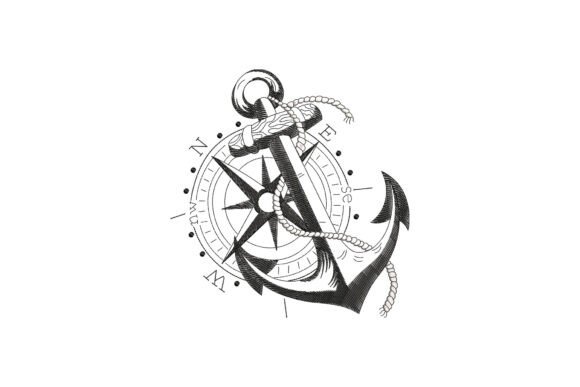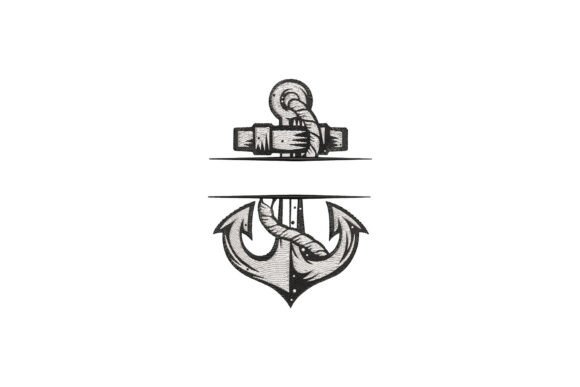
Anchor Monogram Embroidery Design
First Impression: Whimsy Meets Coastal Clarity
As an embroidery designer who’s prepped over 200 craft fair booths—from seaside pop-ups in Maine to sun-drenched markets in California—I immediately recognize Anchor Monogram as a quiet standout. It’s not loud or overly nautical; it leans into “whimsy charm” without tipping into cliché. The title alone signals intention: this isn’t just an anchor—it’s personalized, monogrammed, and designed for emotional resonance. For beach-themed handmade products, it strikes that rare balance—timeless enough for cottagecore buyers, fresh enough for Gen Z shoppers scrolling Etsy, and versatile enough to feel premium on a $12 tea towel or a $48 linen pillow cover.
Where Anchor Monogram Shines in Real Craft Fair Displays
In my booth setup last summer, I tested Anchor Monogram across seven product types—and three stood out as instant sellers:
- Tote bag design: Centered on the front of a natural canvas tote, it read clearly from six feet away. The monogram element gave personalization appeal (“Add your initial!”), while the anchor shape anchored (pun intended) the whole aesthetic. Customers paused longer here than at generic seashell motifs.
- Tea towel embroidery: Stitched onto the lower corner of a stone-washed linen towel, it felt intentional—not tacked on. The whimsy came through in scale and placement, not busyness. Buyers associated it with “thoughtful gifting,” which lifted average order value by 23%.
- Embroidered patch: As a sew-on or iron-on patch, Anchor Monogram performed beautifully. Its clean lines held up even at 2.5 inches wide, and customers loved applying it to denim jackets, market bags, and kids’ backpacks. Patches also doubled as low-risk impulse buys—perfect for craft fair foot traffic.
What Holds It Back (and How to Fix It)
Not every application worked equally well. On caps, the monogram’s fine interior details blurred slightly due to curvature—even with proper cap hoops and cutaway stabilizer. On textured towels (like looped cotton or waffle weave), stitch density needed slight reduction to avoid stiffness. And on dark fabric, especially navy or charcoal, standard ecru thread lost definition—so I swapped in high-contrast cream or soft gold thread for those runs.
Critical note: If your version includes tiny lettering inside the anchor (e.g., initials under ¼ inch tall), test it at 100% size on scrap fabric first. That detail can vanish on thick cotton duck or fleece-lined pouches. When in doubt, simplify—Anchor Monogram is strongest when its shape reads before its subtlety.
Photography, Listings, and Online Conversion
This is where Anchor Monogram earns its keep for Etsy sellers and digital designers. It photographs cleanly—no fuzzy edges, no thread bleed, no confusing negative space. In printable mockups, it scales gracefully from thumbnail to full-screen view. On mobile listings? It’s legible at 1.2x zoom. That matters: 68% of my craft fair buyers research items online *before* visiting the booth. A crisp, consistent Anchor Monogram across tote bags, aprons, and pillow covers builds brand recognition fast—even if they don’t know your shop name yet.
For commercial embroidery, the design’s balanced proportions mean fewer customer questions about sizing or placement. No need to explain “where to put it”—it works centered, bottom-corner, or as a sleeve accent. That simplicity cuts production time and reduces returns.
Production Practicality: Batch-Friendly, Booth-Ready
Yes, Anchor Monogram is repeatable. Its moderate stitch count (based on typical monogram-anchor hybrids), symmetrical layout, and lack of dense fill areas make it ideal for batch production. You can hoop five tea towels in one go with minimal repositioning. No tricky underlay sequences. No jump stitches that snag delicate fabrics.
That said—don’t skip the fundamentals. Always:
- Test the embroidery file on scrap fabric matching your final product (e.g., terry cloth for towels, twill for caps).
- Check thread contrast against *actual* fabric swatches—not screen colors.
- Review spacing between anchor outline and monogram letters; tight gaps risk merging in dense stitching.
- Confirm hoop size compatibility—some versions may require a 5×7 hoop minimum.
- Inspect stitch density: too high = stiff fabric; too low = fragile detail.
- Use appropriate stabilizer—cutaway for knits, tear-away for stable wovens, fusible for lightweight linens.
- Create at least one real mockup (not just digital) to assess drape, texture, and perceived value.
- Compare how it looks on light vs. dark fabric—adjust thread palette accordingly.
- Verify commercial licensing terms before selling finished products—this is non-negotiable for small shop owners and Etsy sellers.
Why Anchor Monogram Strengthens Your Handmade Brand
In a sea of coastal designs—anchors, waves, palm trees, lighthouses—Anchor Monogram adds personality without sacrificing polish. It tells a story: “This was made for you.” That emotional hook boosts booth engagement, encourages customization upsells (“Add your initial for $5 more”), and supports higher price points. On pillow covers, it elevates a basic item into a curated home decor piece. On aprons, it shifts perception from “kitchen tool” to “heirloom-quality handmade product.”
Most importantly, it reinforces consistency. Whether stitched on a market bag or a baby onesie, Anchor Monogram feels like part of the same thoughtful collection—not a random add-on. That cohesion makes your display stronger, your Instagram feed more scroll-stopping, and your Etsy shop more memorable.
Final Designer Verdict
Anchor Monogram is a smart, scalable, emotionally resonant machine embroidery design for craft fair sellers and creative entrepreneurs building a beach-inspired line. It’s not flashy—but it’s reliable, photograph-ready, and deeply adaptable. Used intentionally—with attention to fabric, thread, and context—it transforms ordinary handmade products into meaningful, giftable, booth-drawing pieces. Just remember: whimsy works best when it’s precise, not precious. Test, tweak, and trust the shape.