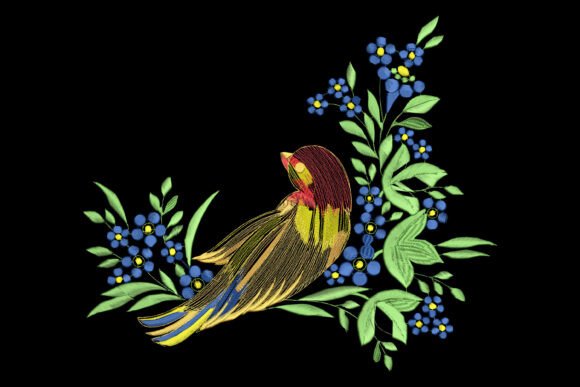
Songbird in Blueberry Garden
A Whimsical Yet Grounded First Impression
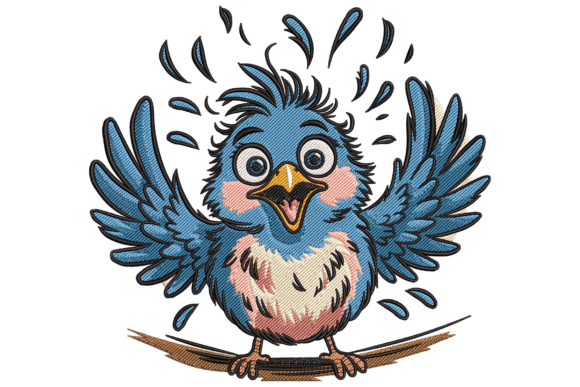
When I first read Songbird in Blueberry Garden, my designer brain lit up—not with flashy energy, but with quiet confidence. This isn’t a bold, graphic statement or a cheeky pun. It’s whimsical and serene, as the description says—and that duality is gold for craft fairs and handmade markets. It leans into soft elegance without sacrificing charm, bridges farmhouse warmth and modern botanical minimalism, and feels instantly recognizable as Birds—a beloved, evergreen category—but with personality. Customers don’t need to pause and decode it. They feel it: peace, sweetness, nature’s gentle rhythm. That emotional resonance is what makes people stop at your booth, pick up a tote, and ask, “Is this hand-embroidered?”
Where Songbird in Blueberry Garden Shines on Real Craft Fair Products
In my booth prep, I always ask: *Which items make this design impossible to ignore?* For Songbird in Blueberry Garden, the winners are clear:
- Tote bag design: Centered on a natural canvas or oat linen tote, it reads beautifully at arm’s length—neither too busy nor too sparse. The blueberry branches frame the bird just right, giving movement and balance.
- Apron embroidery: Positioned above the pocket or centered on the bib, it adds artisanal warmth without overwhelming function. Buyers associate this kind of detail with care—and they’ll pay more for it.
- Tea towel embroidery: On tightly woven cotton or flour-sack linen, the fine feather details pop, and the blueberry leaves offer subtle texture contrast. It photographs cleanly for Etsy listings and looks luxe in person.
- Embroidered patch: Perfect as a sew-on or iron-on accent—ideal for small shop product bundles, gift tags, or personalizing denim jackets at your booth.
- Pillow cover & fabric pouch: These benefit most from the design’s inherent calm. A single Songbird in Blueberry Garden on a cream linen pillow whispers quality; on a drawstring pouch, it becomes a memorable keepsake.
It’s less effective on curved surfaces like caps (unless simplified) or dark fabric without high-contrast thread colors—more on that below.
Practical Production Notes Every Embroidery Designer Should Check
This is where experience kicks in. Before cutting fabric or loading hoops, I run through these checks for every machine embroidery design:
- Test on scrap fabric—especially if using textured towels or thick apron cotton. Stitch density matters: dense feather areas may pucker without proper stabilizer.
- Confirm thread colors against your base fabric. Soft blues and muted greens work beautifully on cream or oat, but can disappear on navy or charcoal unless you adjust contrast intentionally.
- Review spacing and scale. Does the bird hold clarity at 3” wide? At 6”? If your digital embroidery file includes multiple sizes, verify the smallest viable version—tiny blueberry blossoms or feather tips may vanish under 2.5”.
- Check hoop size compatibility. A balanced layout fits standard 4x4 or 5x7 hoops—critical for fast batch production of patches or tea towel sets.
- Use cutaway or tear-away stabilizer appropriately. Lighter fabrics need more support; heavier ones may require less—but always test. I’ve seen gorgeous Songbird in Blueberry Garden embroidery flatten into mush on unstable linen without it.
- Create at least one real mockup before market day. A printed mockup helps online—but nothing replaces holding an embroidered tote in your hands and seeing how light catches the thread sheen.
- Compare fabric colors side-by-side. A warm ivory vs. cool white background changes how the blues read—and impacts perceived value.
- Confirm commercial licensing. If you’re selling finished products (not just the embroidery file), ensure your license permits resale. Many digital sellers forget this—and it’s non-negotiable for Etsy sellers and boutique makers.
What Buyers Actually Notice—and Why It Sells
At a crowded craft fair, attention lasts seconds. Songbird in Blueberry Garden wins because it’s:
- Instantly legible: No decoding needed—the bird + berries = nature, calm, handmade care.
- Visually generous: Works as both a focal point (on a pillow) and a refined accent (on a corner of a tea towel).
- Photogenic: Clean lines, balanced negative space, and organic flow translate well to Instagram, Etsy thumbnails, and printable mockups.
- Repeatable: Its gentle motif invites bundling—think “garden collection” with matching patches, pouches, and notecards. That builds brand consistency across your small shop product line.
It also elevates perceived value. A plain tote becomes a handmade product with intention when adorned with Songbird in Blueberry Garden. Buyers don’t just buy embroidery—they buy the feeling of serenity, the story of craftsmanship, and the quiet joy of owning something thoughtfully made.
Careful-Use Considerations for Best Results
Don’t skip these:
- Dense stitch areas (like layered feathers or berry clusters) may require reduced speed or extra stabilizer on lightweight fabrics.
- Tiny details—especially delicate beak or branch tip shapes—can blur on textured towels or curved cap surfaces. Simplify or enlarge for those applications.
- Dark fabric demands high-contrast thread (e.g., bright cerulean or crisp white) to preserve the design’s whimsy—otherwise, it reads as muddy, not serene.
- Small lettering isn’t part of this design—a relief! But if you add custom text later (e.g., “Hand Embroidered • Made in USA”), keep it minimal and test readability at scale.
Finally, remember: Songbird in Blueberry Garden isn’t just another Embroidery asset. It’s a mood, a moment, and a market-ready differentiator—if you treat it with the thoughtful execution it deserves.